
FAQs for Auction Sellers: What Property Owners Should Know Before Selling
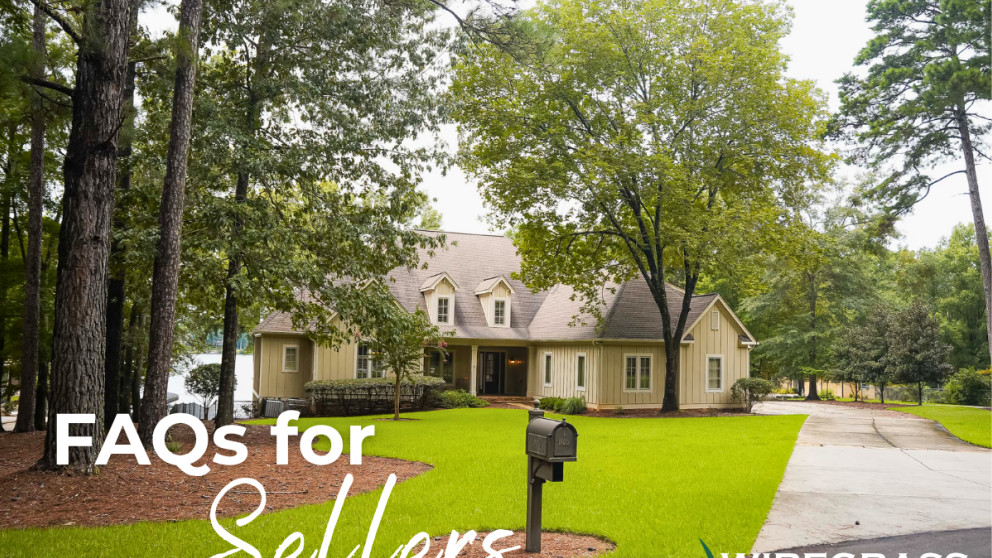
FAQs for Auction Sellers: What Property Owners Should Know Before Selling
Learn answers to common auction questions, including reserve prices, buyer commitments, property value, and how the auction process works.
While every auction is unique, the process is designed to be transparent and structured for buyers and sellers.
Below are some common questions sellers ask us when exploring whether an auction may be the right fit for their property.
Is an online auction the right fit for my property?
For certain properties and assets, a structured, time-defined auction creates advantages that a traditional listing simply cannot. Auctions create a competitive environment where qualified buyers can bid in real time. The key is knowing when that structure works in your favor and when it doesn’t [link to March blog 2: https://www.wiregrassauctiongroup.com/blog/detail/when-is-an-auction-better-than-a-traditional-real-estate-listing]. Online bidding platforms have also made auctions more accessible, allowing buyers to participate from anywhere while giving sellers increased exposure for their property.
How is the value of my property determined before the auction?
Auction companies conduct research and due diligence before recommending an auction strategy. This may include reviewing:
The condition of the property
Current market conditions
Comparable past sales
Similar properties or items currently on the market
For real estate, this process may include preparing a Broker’s Price Opinion to estimate potential market value. For equipment, vehicles, or personal property, auction professionals often evaluate comparable sales and market demand to determine realistic expectations.
While no one can guarantee the final sale price, this research helps sellers understand what their property may realistically bring in today’s market.
Should land be sold as one tract or divided into parcels?
Landowners often ask whether selling land as a single tract will bring the best results. In many situations, offering land in multiple parcels through a multi-parcel auction format can actually increase competition. Buyers may bid on individual tracts, combinations of tracts, or the entire property at the same time.
The final structure of the sale is always the landowner’s decision, and the auction company works with the seller to determine the best approach.
Can I set a reserve price?
Yes. One of the most common concerns sellers have about auctions is whether they might be required to sell their property for any price.
In many cases, sellers can set a reserve price, which is the minimum amount the seller is willing to accept for the property. The reserve is typically not disclosed publicly and is agreed upon during the pre-auction planning process. Before the auction begins, the auction company works with the seller to review market data, comparable sales, and current conditions to ensure expectations align with the market. This helps create a realistic strategy for the sale while protecting the seller’s interests.
Do I have to accept the highest bid?
Whether a seller must accept the highest bid depends on the auction format.
In an absolute auction, the property sells to the highest bidder regardless of price.
In a reserve auction, the seller has the protection of the reserve price. If bidding does not meet that reserve, the seller is not obligated to complete the sale.
Understanding the difference between these formats is an important step in determining how an auction will be structured.
Can a buyer back out of a bid?
Another common question from sellers is what happens if the high bidder decides not to follow through.
In most cases, a bid at auction is considered a legally binding agreement. Buyers are expected to complete the purchase if they are the winning bidder.
Auction companies also take steps to protect sellers by requiring bidder registration and verifying buyer information before bidding begins. If a situation arises where a buyer does not fulfill their obligations, the auction company may take steps to enforce the agreement. In the rare case that a mistake occurs in how an item or property was represented, the auction company works to correct the issue and resolve the situation fairly.
What happens behind the scenes before auction day?
While auction day itself may move quickly, a significant amount of preparation happens beforehand.
This preparation includes property research, marketing campaigns, photography, bidder outreach, and coordinating inspections. The goal is to ensure the property receives strong visibility and attracts qualified buyers before bidding begins.
Still have questions about selling at auction?
Every property and selling situation is different, and the best auction strategy often begins with a conversation. If you have questions about the auction process, reserve prices, or preparing your property for sale, the team at Wiregrass Auction Group is always happy to help. Contact us at (229) 890-2437 or visit wiregrassauctiongroup.com for more information.